
Acne Treatment Without Side Effects

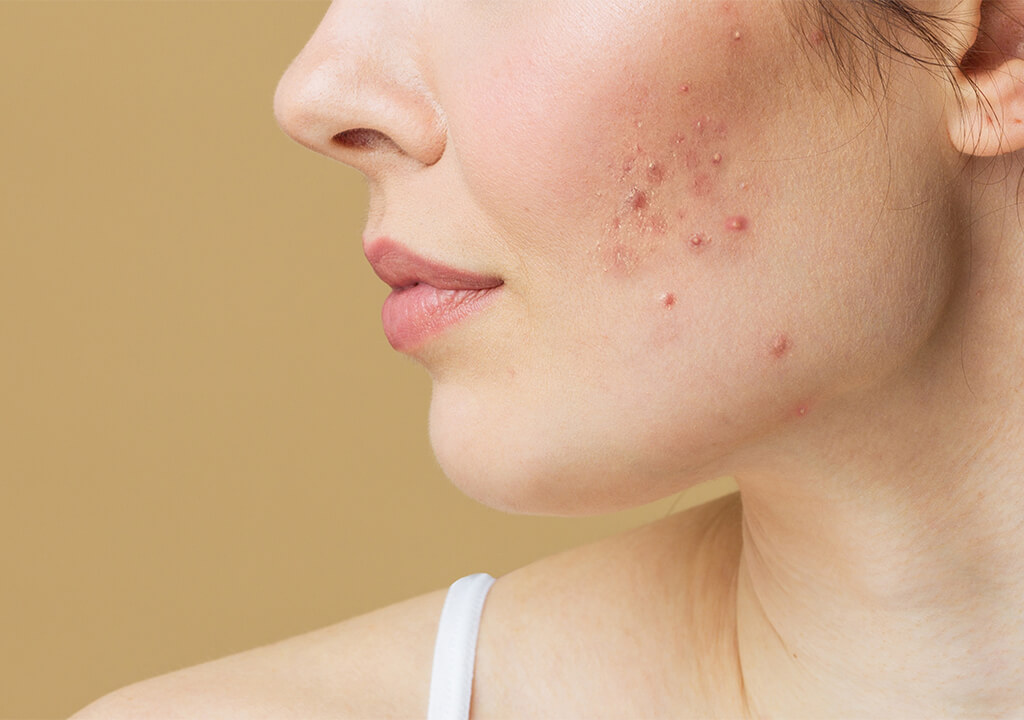
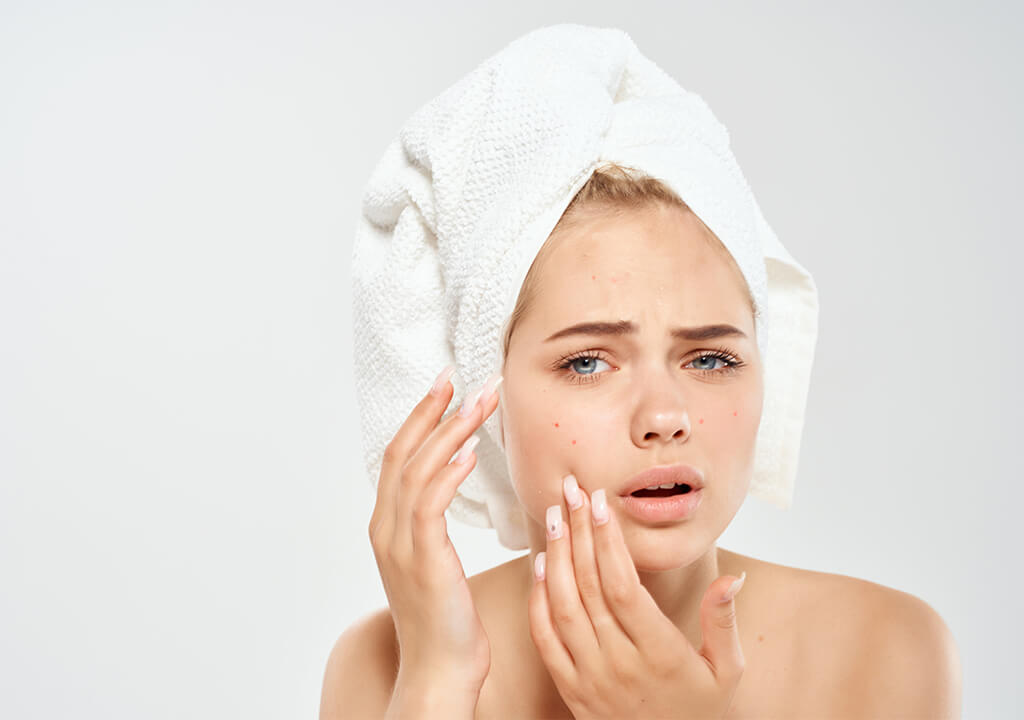
Acne is a common skin problem that affects many people worldwide. It can have a significant impact on self confidence and overall well being.
In this article, we’ll discuss how to treat acne effectively and safely. We’ll explore the main causes of acne, as well as natural and medical treatments that don’t cause side effects.
Through lifestyle changes and the right treatment plan, acne can be eliminated for good.
Key Points
- Identify the causes of acne
- Use safe natural and medical treatments
- Adopt lifestyle changes to eliminate acne
- Avoid treatments with side effects
- Maintain overall skin health
Understanding Acne: Causes and Types
To know how to treat acne effectively, we first need to understand what causes it. Acne is a complex skin condition influenced by multiple factors.
Hormonal and Genetic Factors
Hormonal changes play a major role in acne formation, especially during adolescence. Genetics also influence acne, if one or both parents had acne, the likelihood increases.
The Role of Bacteria and Inflammation
Bacteria that live on the skin can cause inflammation in the hair follicles, leading to acne breakouts. Inflammation is a key part of this process.
Different Types of Acne
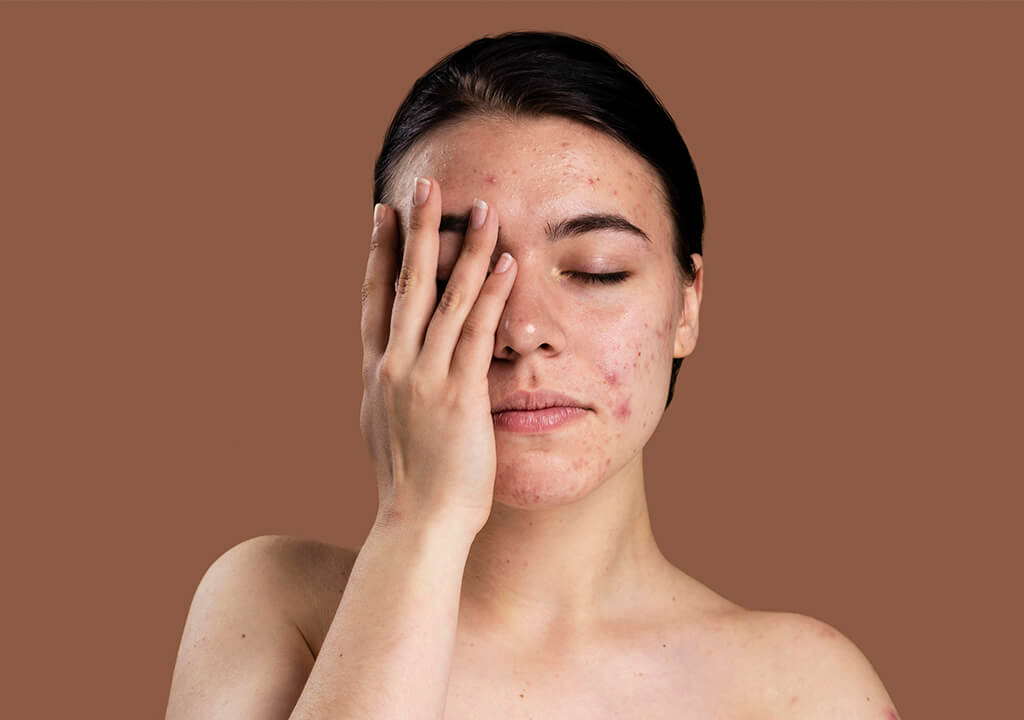
There are several types of acne, including blackheads and whiteheads (caused by clogged pores) and inflammatory or cystic acne, which is often painful and swollen.
Best Ways to Treat Acne Without Side Effects
Many people seek effective ways to treat acne without suffering from unwanted side effects. Here, we’ll explain why harsh treatments should be avoided, the benefits of natural and safe remedies, and how to choose the right treatment for your skin type.
Why You Should Avoid Harsh Treatments
Some acne treatments can cause dryness, redness, irritation, or even make acne worse. Choosing safe treatments helps avoid these problems.
Benefits of Natural and Safe Remedies
Natural remedies are often safer and less likely to cause side effects. These include ingredients like honey, aloe vera, and tea tree oil.
How to Choose the Right Treatment for Your Skin Type
Always match your treatment to your skin type. For example, oily skin benefits from salicylic acid, while sensitive skin needs soothing ingredients like aloe vera.
Best Ways to Treat Acne Without Side Effects
Many people seek effective ways to treat acne without suffering from unwanted side effects. Here, we’ll explain why harsh treatments should be avoided, the benefits of natural and safe remedies, and how to choose the right treatment for your skin type.
Why You Should Avoid Harsh Treatments
Some acne treatments can cause dryness, redness, irritation, or even make acne worse. Choosing safe treatments helps avoid these problems.
Benefits of Natural and Safe Remedies
Natural remedies are often safer and less likely to cause side effects. These include ingredients like honey, aloe vera, and tea tree oil.
How to Choose the Right Treatment for Your Skin Type
Always match your treatment to your skin type. For example, oily skin benefits from salicylic acid, while sensitive skin needs soothing ingredients like aloe vera.
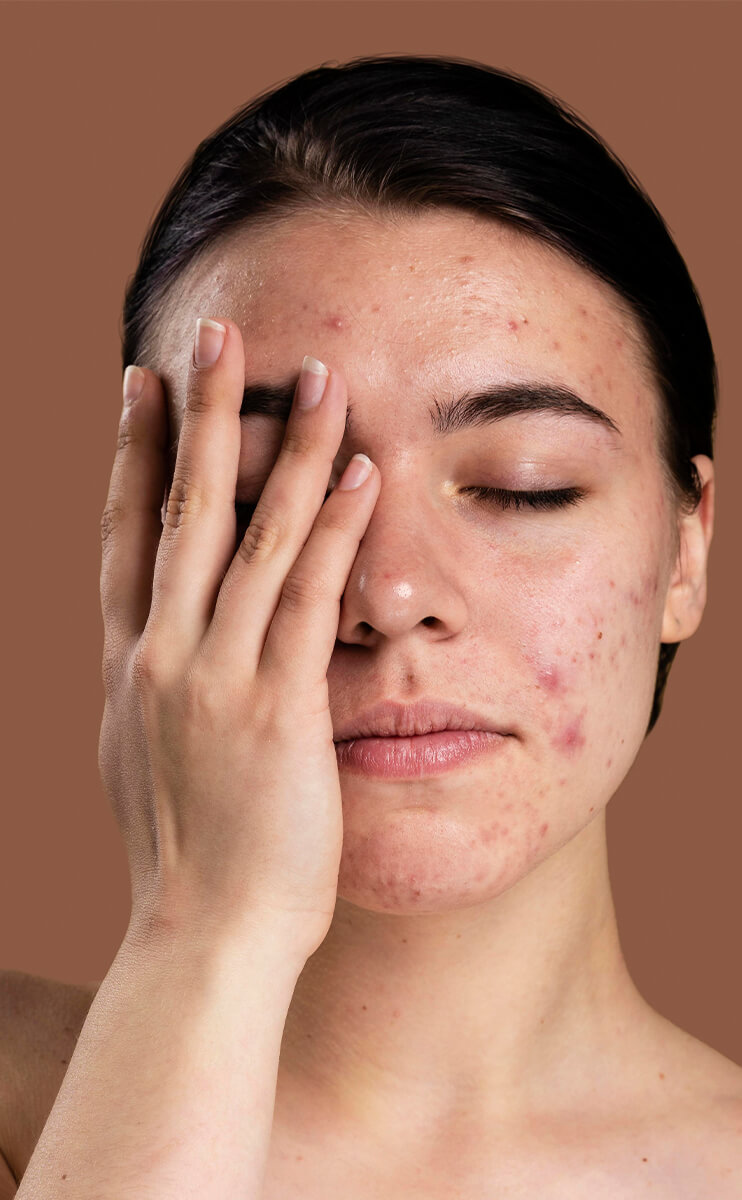
Natural Remedies for Acne
- Honey and Cinnamon:
Honey has antibacterial and soothing properties, while cinnamon contains antioxidants that reduce inflammation.
- Apple Cider Vinegar:
Use diluted with water as a toner, it helps balance skin pH and reduces breakouts.
- Aloe Vera:
Calms the skin, reduces redness, and helps regenerate skin cells.
- Tea Tree Oil:
Antibacterial and anti-inflammatory, apply after diluting with a carrier oil to avoid irritation.
Herbs That Help With Acne
- Green Tea: Used internally and externally for its antioxidant and anti-inflammatory effects.
- Chamomile: Reduces redness and irritation when applied as a compress.
- Turmeric: Contains curcumin, which reduces inflammation and improves skin appearance.
Quick Home Remedies
- Masks for Oily Skin: Green clay masks absorb excess oils and purify pores.
- Masks for Dry Skin: Honey and aloe vera hydrate and soothe dryness.
- Ice Compresses: Instantly reduce redness and swelling.
- Natural Scrub: Coffee grounds help exfoliate dead skin and improve circulation.
Safe Medical Treatments for Acne
- Salicylic Acid: Exfoliates and deeply cleanses pores.
- Benzoyl Peroxide: Kills bacteria when used in low concentrations.
- Retinol: Promotes cell turnover and smooths the skin.
- Azelaic Acid & Niacinamide: Reduce inflammation and improve overall texture.
Lifestyle Changes to Prevent Acne
Adequate Sleep:
Encourages cell renewal and reduces stress that causes breakouts.
Stress Management:
Through meditation, yoga, and deep breathing, these practices improve skin balance.
Exercise:
Boosts circulation and reduces stress, just remember to shower afterward to prevent clogged pores.
Clean Your Tools Regularly:
Phones, makeup brushes, and pillowcases should be cleaned often to reduce bacteria exposure.
Diet and Its Role in Acne:
- Eat foods rich in antioxidants (fruits and vegetables).
- Get enough omega 3 (from fish and nuts).
- Limit sugars and saturated fats.
- Drink enough water to keep your skin hydrated and flush out toxins.
Use a cleanser suitable for your skin, salicylic acid for oily skin, or gentle moisturizing formulas for dry skin.
Moisturizing:
Choose a light moisturizer with hyaluronic acid to keep skin hydrated.Sun Protection:
Apply sunscreen daily to prevent pigmentation and inflammation.Scar Prevention:
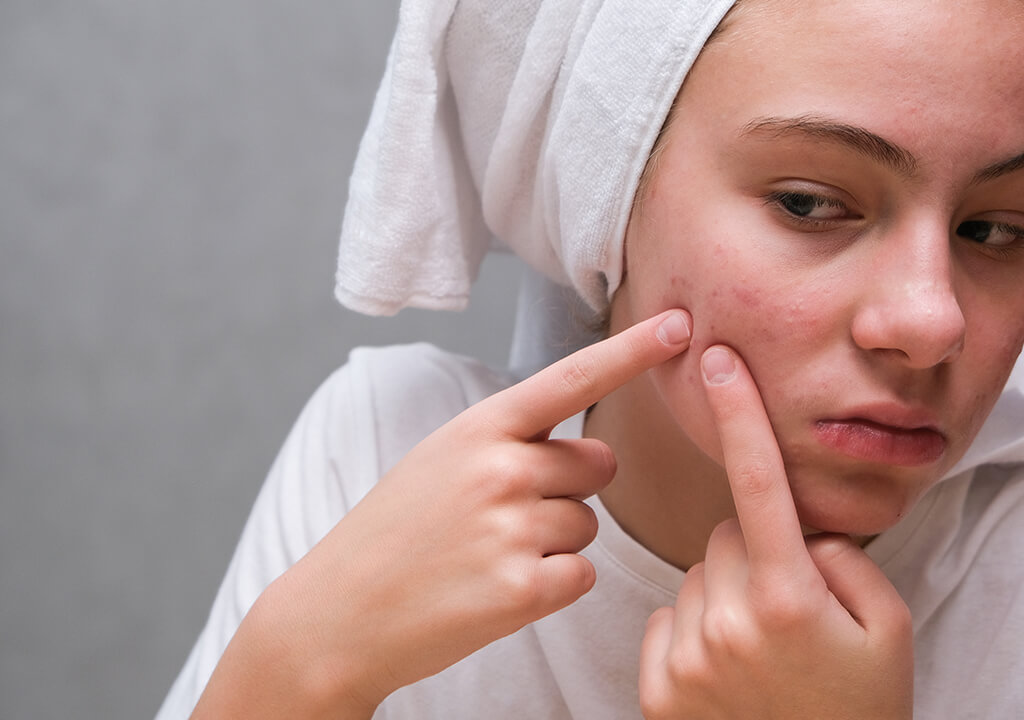
- Don’t pick or squeeze pimples.
- Use products with vitamin C or retinol to fade marks.
- For deep scars, consult a dermatologist for laser treatments.
Common Mistakes in Acne Care
- Overusing too many products.
- Popping pimples forcefully.
- Switching between treatments too quickly.
- Skipping moisturizer.
Conclusion
Treating acne requires a good understanding of its causes and choosing the right treatments.
By following a balanced routine, including daily care, natural remedies, and a healthy lifestyle you can achieve clear, smooth, and acne-free skin.